TPMS Warning Light: What It Means and What to Do Next
If your TPMS warning light suddenly turns on, it’s your vehicle’s way of telling you that something is wrong with your tire pressure. Many drivers ignore this warning, but doing so can lead to serious safety risks, reduced fuel efficiency, and costly tire damage.
The TPMS warning light (Tire Pressure Monitoring System) is designed to alert you when your tires are underinflated or overinflated. At Texas Parkway Auto Care in Stafford, TX, we help drivers quickly diagnose and fix TPMS issues. Call us today at +1 346 5549498 or visit our shop for expert tire care.
What Is the TPMS Warning Light?
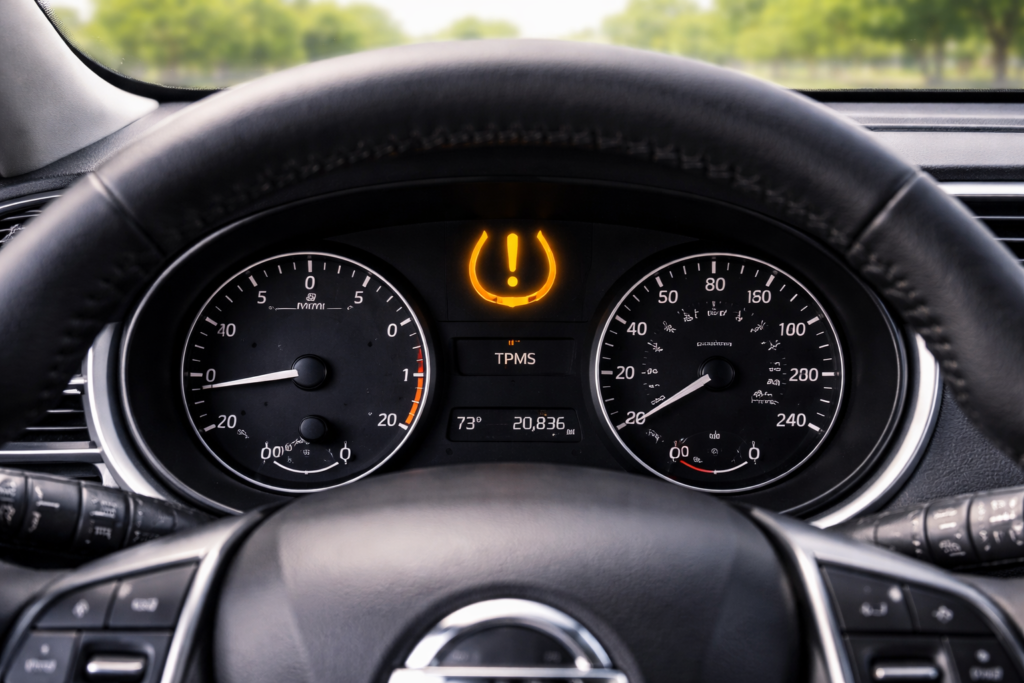
The TPMS warning light is part of your vehicle’s safety system that monitors the air pressure in your tires. When the pressure drops below or rises above the recommended level, the system triggers a dashboard alert.
This light typically looks like a horseshoe-shaped symbol with an exclamation mark. It may stay solid or flash depending on the severity of the issue.
Why the TPMS Warning Light Comes On
There are several reasons why your TPMS warning light may appear. Understanding these causes can help you take the right action quickly.
1. Low Tire Pressure
This is the most common reason. Tires naturally lose air over time, and even a small drop in pressure can trigger the warning.
2. Temperature Changes
Cold weather can reduce tire pressure significantly. For every 10°F drop in temperature, your tires can lose about 1 PSI.
3. Overinflated Tires
Too much air in your tires can also cause the TPMS warning light to turn on, affecting handling and braking performance.
4. Tire Damage or Puncture
A nail, sharp object, or worn-out tire can cause air leakage and trigger the system.
5. Faulty TPMS Sensor
Sometimes the issue isn’t with the tire but with the sensor itself. Sensors can fail due to battery issues or physical damage.
What to Do When the TPMS Warning Light Turns On
If you see the TPMS warning light, follow these steps immediately:
Check Tire Pressure
Use a tire pressure gauge to measure the pressure in all four tires. Compare it with the manufacturer’s recommended PSI.
Adjust Air Pressure
Add air if the tires are underinflated or release air if they are overinflated. Proper inflation is key to safety and performance.
Inspect Tires Carefully
Look for visible damage such as cuts, bulges, or embedded objects. Even a slow leak can trigger the warning.
Reset the System
After correcting tire pressure, the TPMS warning light may reset automatically. Some vehicles require manual reset procedures.
Seek Professional Help
If the light remains on, visit Texas Parkway Auto Care for a complete inspection and diagnosis.
Difference Between Solid and Flashing TPMS Light
Not all warnings are the same. Understanding the difference can help you react appropriately.
- Solid Light: Indicates incorrect tire pressure
- Flashing Light: Suggests a malfunction in the TPMS system
A flashing TPMS warning light usually means the system needs professional repair.
How Driving With Incorrect Tire Pressure Affects Your Car
Ignoring the TPMS warning light can lead to several problems:
- Poor fuel efficiency
- Uneven tire wear
- Reduced traction and handling
- Increased risk of tire blowouts
Maintaining proper tire pressure ensures your vehicle performs safely and efficiently.
Types of TPMS Systems
There are two main types of tire pressure monitoring systems:
Direct TPMS
Uses sensors inside each tire to measure pressure in real time. It provides accurate readings but may require sensor replacement over time.
Indirect TPMS
Uses wheel speed sensors to estimate pressure differences. It’s less precise but more cost-effective.
Common TPMS Sensor Issues
If your TPMS warning light stays on after correcting tire pressure, the sensor may be the problem. Common issues include:
- Dead battery in the sensor
- Sensor damage during tire replacement
- Corrosion or dirt buildup
- Improper system calibration
Professional diagnostics are required to fix these problems accurately.
How to Prevent TPMS Warning Light Issues
You can reduce the chances of seeing the TPMS warning light by following simple maintenance practices:
- Check tire pressure at least once a month
- Inspect tires before long trips
- Rotate tires regularly
- Replace worn or damaged tires promptly
- Schedule regular vehicle inspections
Importance of Tire Maintenance in Stafford TX
In Stafford, TX, extreme heat can increase tire pressure and accelerate wear. Seasonal changes can also affect tire performance.
This makes it even more important to monitor your TPMS warning light and maintain proper tire pressure year-round.
Professional TPMS Services in Stafford TX
At Texas Parkway Auto Care, we provide comprehensive TPMS services, including:
- TPMS diagnostics and repairs
- Sensor replacement and programming
- Tire pressure checks and adjustments
- Complete tire inspections
Our experienced technicians ensure your vehicle stays safe and road-ready.
When to Visit a Mechanic
You should seek professional help if:
- The TPMS warning light stays on after inflation
- The light flashes repeatedly
- You notice rapid pressure loss
- Your vehicle feels unstable while driving
Ignoring these signs can lead to serious mechanical issues.
Final Thoughts
The TPMS warning light is a crucial safety feature that helps protect you from tire-related accidents. Understanding what it means and how to respond can save you time, money, and stress.
If your TPMS warning light is on, don’t ignore it—visit Texas Parkway Auto Care in Stafford TX or call +1 346 5549498 for expert assistance today.
![Common Brake Issues [Noise, Vibration, Safety Warning]](https://texasparkwayautocare.com/wp-content/uploads/2025/06/Common-Brake-Issues-Noise-Vibration-Safety-Warning.png)