Tire Rotation Benefits (Why Every Driver Should Do It Regularly)
Tire rotation is one of the simplest yet most important maintenance tasks for your vehicle. Many drivers overlook it — but doing so can cost you more in the long run.
If you’re wondering about the benefits of tire rotation, this guide will help you understand why it’s essential for your car’s safety, performance, and cost savings.
What is Tire Rotation?
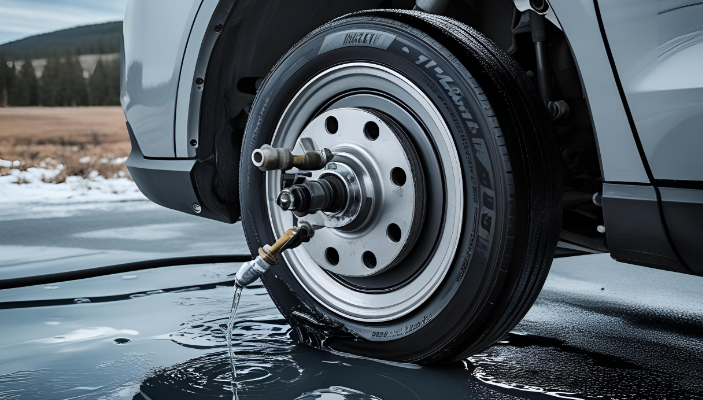
Tire rotation means changing the position of your tires.
- Front tires move to the back
- Rear tires move to the front
- Sometimes they switch sides
This ensures all tires wear evenly over time.
Why Tire Rotation is Important
Each tire wears differently depending on its position.
For example:
- Front tires wear faster due to steering and braking
- Rear tires wear differently based on load
Without rotation, some tires wear out much faster than others.
Top Tire Rotation Benefits
1. Extends Tire Lifespan
This is the biggest benefit.
When tires wear evenly:
- They last longer
- You don’t need to replace them as often
This can save you a significant amount of money.
2. Improves Driving Safety
Evenly worn tires provide better grip.
This means:
- Better control
- Shorter braking distance
- Reduced risk of accidents
Safety should always be your top priority.
3. Enhances Fuel Efficiency
Uneven tires create resistance.
This leads to:
- Higher fuel consumption
- Reduced performance
Rotated tires help your car run more efficiently.
4. Smoother Driving Experience
Uneven wear can cause:
- Vibrations
- Noise
- Uncomfortable driving
Tire rotation ensures a smoother ride.
5. Prevents Uneven Tire Wear
Without rotation:
- Some tires wear out faster
- You may need to replace only a few tires
This can create imbalance and reduce performance.
6. Protects Suspension and Alignment
Uneven tires put extra stress on:
- Suspension system
- Steering components
Regular rotation helps prevent unnecessary damage.
How Often Should You Rotate Your Tires?
General Recommendation:
- Every 5,000 to 7,500 miles
For Texas Drivers:
- Every 5,000 miles (ideal due to heat and road conditions)
Signs You Need Tire Rotation
If you haven’t been tracking mileage, look for these signs:
- Uneven tread wear
- Vibrations while driving
- Reduced fuel efficiency
- Steering issues
👉 Not sure if your tires need rotation?
Call now: +1 346 5549498
What Happens If You Skip Tire Rotation?
Skipping tire rotation can lead to:
- Faster tire wear
- Higher replacement costs
- Reduced safety
- Poor driving performance
It’s a small service that prevents big problems.
Why Texas Drivers Should Be Extra Careful
In Texas:
- Heat accelerates tire wear
- Long drives increase stress on tires
- Road conditions vary
This makes regular tire rotation even more important.
DIY vs Professional Tire Rotation
While some drivers try to rotate tires themselves, professional service ensures:
- Correct rotation pattern
- Tire pressure check
- Inspection for damage
- Proper tightening
👉 Get expert service here:
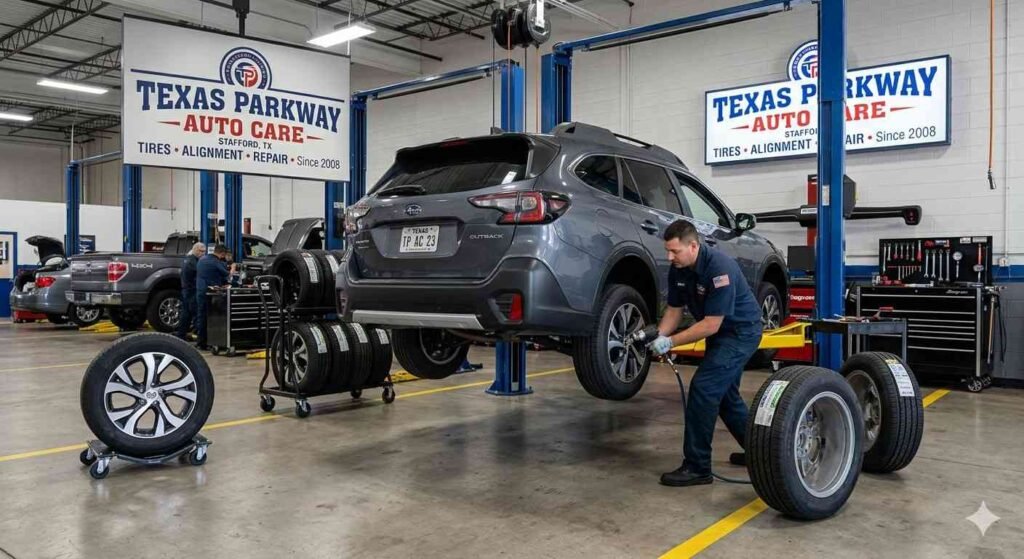
Texas Parkway Auto Care
Save Money with Regular Tire Rotation
Many drivers don’t realize:
A simple tire rotation can extend tire life by up to 30%.
That means:
✔ Fewer replacements
✔ Lower costs
✔ Better performance
Don’t Wait Until It’s Too Late
If you haven’t rotated your tires recently, now is the time.
Delaying it can lead to unnecessary expenses and safety risks.
Book Your Tire Rotation Today
Your tires deserve proper care.
👉 Call now:
+1 346 5549498
Or visit our website:
👉 Texas Parkway Auto Care
Let our experts ensure your tires wear evenly and last longer.
Final Thoughts
Tire rotation is one of the easiest ways to improve your car’s performance and safety.
By doing it regularly, you can:
- Extend tire life
- Save money
- Drive safely
Don’t ignore it — make it part of your routine maintenance.
![Common Brake Issues [Noise, Vibration, Safety Warning]](https://texasparkwayautocare.com/wp-content/uploads/2025/06/Common-Brake-Issues-Noise-Vibration-Safety-Warning.png)