How Tire Condition Affects Your Car’s Fuel Efficiency
Many drivers focus on engine performance when trying to improve gas mileage, but they often overlook one critical factor: tire condition. Understanding how tire condition affects fuel efficiency can help you save money, improve your vehicle’s performance, and extend the life of your tires.
At Texas Parkway Auto Care in Stafford, TX, we help drivers maintain their vehicles for maximum efficiency. If you want to improve your fuel economy, call +1 346 5549498 or visit our shop today.
Why Tire Condition Impacts Fuel Efficiency
Your tires are the only part of your vehicle that makes direct contact with the road. Their condition affects how easily your car moves, which directly impacts fuel consumption. The key concept here is rolling resistance—the force required to keep your tires moving forward.
When tires are in poor condition, rolling resistance increases. This forces your engine to work harder, which leads to higher fuel consumption. Even small tire issues can result in noticeable changes in your gas mileage over time.
How Tire Pressure Affects Fuel Efficiency
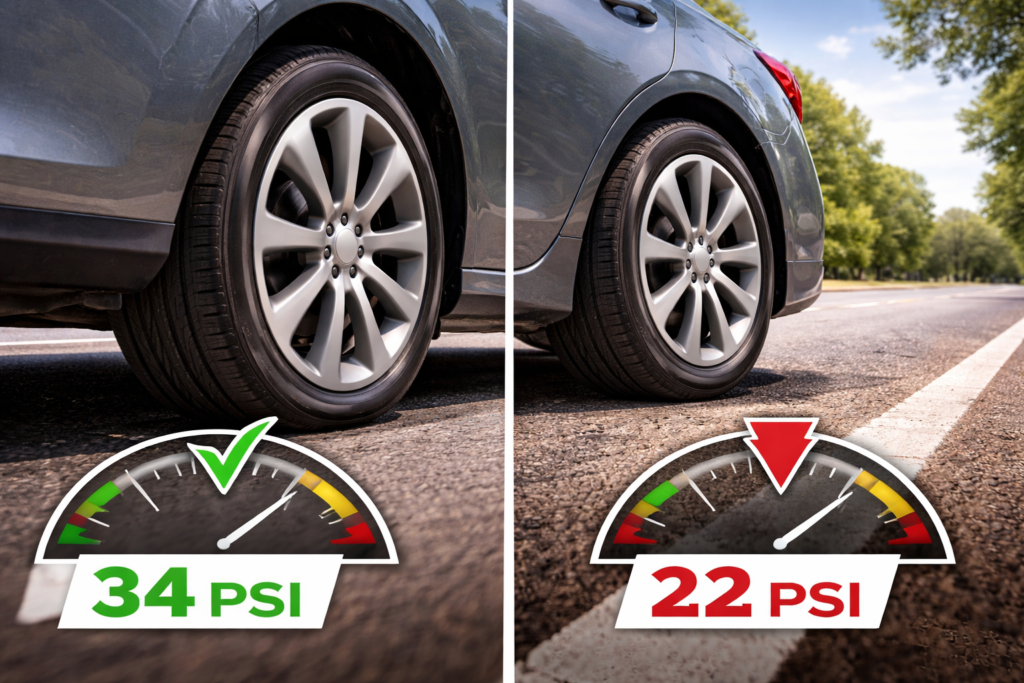
One of the most important aspects of tire condition is proper inflation. Underinflated tires create more surface contact with the road, increasing friction and resistance.
When tire pressure is too low:
- Your engine must work harder to move the vehicle
- Fuel consumption increases significantly
- Tires wear out faster
According to industry estimates, underinflated tires can reduce fuel efficiency by up to 3–5%. Over time, this leads to higher fuel costs.
Keeping your tires properly inflated is one of the easiest ways to improve fuel economy instantly.
The Role of Overinflation
While underinflation is more common, overinflated tires can also create problems. Tires with too much air pressure have less contact with the road, which can reduce traction and lead to uneven wear.
Although overinflation may slightly reduce rolling resistance, it compromises safety and causes premature tire damage, leading to costly replacements.
Uneven Tire Wear and Fuel Loss
Uneven tire wear is another major factor that affects fuel efficiency. When tires wear unevenly, your car may not move smoothly, increasing resistance and fuel usage.
Common causes of uneven wear include:
- Poor wheel alignment
- Improper tire rotation
- Suspension issues
If your tires are worn unevenly, your vehicle may pull to one side, forcing the engine to compensate and burn more fuel.
Wheel Alignment and Fuel Efficiency
Wheel alignment plays a crucial role in maintaining proper tire condition. Misaligned wheels cause your tires to drag instead of rolling smoothly.
Signs you may need alignment include:
- Your car pulls left or right
- The steering wheel is off-center
- Tires show uneven wear patterns
Correcting alignment improves fuel efficiency, enhances safety, and extends tire lifespan.
Tire Type and Its Effect on Gas Mileage
The type of tire you use also affects fuel efficiency. Some tires are specifically designed to reduce rolling resistance and improve gas mileage.
- All-season tires: Balanced performance and efficiency
- All-terrain tires: More resistance, lower fuel economy
- Low rolling resistance tires: Best for saving fuel
If fuel efficiency is a priority, choosing the right tire type can make a noticeable difference.
Temperature and Tire Performance
Temperature changes can also affect tire pressure and performance. In hot climates like Texas, air inside tires expands, while cooler temperatures cause it to contract.
Driving with incorrect pressure due to temperature changes can reduce fuel efficiency and increase wear. Regular checks are especially important during seasonal changes.
Driving Habits That Affect Tire Condition
Your driving style directly impacts tire wear and fuel efficiency. Aggressive driving behaviors can quickly damage tires and reduce gas mileage.
Common habits that hurt efficiency include:
- Rapid acceleration
- Hard braking
- High-speed driving
Smooth and consistent driving helps maintain tire condition and improves fuel economy.
How Often Should You Check Your Tires?
Routine tire maintenance is essential for keeping your vehicle efficient. Experts recommend:
- Checking tire pressure at least once a month
- Inspecting tread depth regularly
- Rotating tires every 5,000–7,500 miles
- Scheduling alignment checks annually
These simple steps can significantly improve fuel efficiency and extend tire life.
Long-Term Cost Savings
Maintaining proper tire condition not only improves fuel efficiency but also saves money in the long run. Better tires mean:
- Lower fuel costs
- Fewer repairs
- Longer tire lifespan
Ignoring tire maintenance may seem minor, but it can lead to major expenses over time.
Why Choose Texas Parkway Auto Care in Stafford TX
At Texas Parkway Auto Care, we provide professional services to keep your tires in top condition:
- Tire pressure inspection and adjustment
- Wheel alignment and balancing
- Tire rotation and replacement
- Fuel efficiency optimization services
Our experienced technicians ensure your vehicle runs efficiently and safely. Call +1 346 5549498 or visit our shop today.
FAQs About Tire Condition and Fuel Efficiency
Q: Can tire pressure really affect fuel economy?
Yes, improper tire pressure increases resistance and reduces efficiency.
Q: Do new tires improve gas mileage?
Yes, especially if they are properly inflated and designed for low rolling resistance.
Q: How much fuel can I save with proper tire maintenance?
You can improve fuel efficiency by up to 5% or more.
Q: Is tire rotation important for fuel efficiency?
Yes, it ensures even wear and helps maintain smooth driving.
Final Thoughts
Your tires play a major role in your car’s fuel efficiency. By maintaining proper tire condition, you can save money, improve performance, and drive more safely. Visit Texas Parkway Auto Care in Stafford TX for expert tire services. Call us today at +1 346 5549498 to improve your fuel efficiency.
![Common Brake Issues [Noise, Vibration, Safety Warning]](https://texasparkwayautocare.com/wp-content/uploads/2025/06/Common-Brake-Issues-Noise-Vibration-Safety-Warning.png)