How Often to Change Engine Oil (Complete Guide for Drivers)
Engine oil is the lifeblood of your car. It keeps your engine running smoothly, reduces friction, and prevents overheating.
But one of the most common questions drivers ask is: how often should you change engine oil?
The answer depends on your car, driving habits, and environment — especially in Texas, where heat plays a major role.
Let’s break it down in the simplest way possible.
Why Engine Oil is So Important
Engine oil performs several key functions:
- Lubricates moving parts
- Reduces engine wear
- Keeps engine cool
- Prevents dirt buildup
Without proper oil maintenance, your engine can suffer serious damage.
General Rule: How Often to Change Engine Oil
Standard Recommendation:
- Every 3,000 to 5,000 miles (older vehicles)
- Every 5,000 to 7,500 miles (modern vehicles)
Texas Recommendation:
- Every 5,000 miles is ideal due to heat and driving conditions
Why Texas Drivers Need More Frequent Oil Changes
In Texas:
- High temperatures increase engine stress
- Long drives raise engine heat
- Traffic conditions add pressure
This means oil breaks down faster — requiring more frequent changes.
Signs You Need an Oil Change
Even if you don’t track mileage, your car gives warning signs.
1. Dark or Dirty Oil
Clean oil is amber in color.
If it’s dark and thick, it needs replacement.
2. Engine Noise
Old oil reduces lubrication, causing:
- Increased friction
- Unusual engine sounds
3. Oil Warning Light
If this light appears, don’t ignore it.
👉 Act immediately —
Call now: +1 346 5549498
4. Burning Smell
A burning smell may indicate:
- Oil breakdown
- Engine overheating
5. Reduced Performance
If your car feels sluggish, old oil may be the reason.
What Happens If You Don’t Change Oil?
Skipping oil changes can lead to:
- Engine overheating
- Increased wear and tear
- Sludge buildup
- Complete engine failure
This can result in extremely expensive repairs.
How to Check Engine Oil
You can check oil yourself in a few steps:
- Park on a level surface
- Turn off the engine
- Remove the dipstick
- Check oil level and color
If it looks dirty or low — it’s time for a change.
Types of Engine Oil
Different cars require different oil types:
- Conventional oil
- Synthetic oil
- Synthetic blend
Synthetic oil usually lasts longer and performs better in extreme heat.
👉 Not sure which oil is right for your car?
Call now: +1 346 5549498
Benefits of Regular Oil Changes
Changing your oil regularly helps you:
✔ Extend engine life
✔ Improve fuel efficiency
✔ Reduce engine wear
✔ Maintain performance
Texas Drivers: Stay Ahead of Engine Problems
Because of harsh conditions, Texas drivers should:
✔ Change oil more frequently
✔ Monitor engine performance
✔ Avoid delaying service
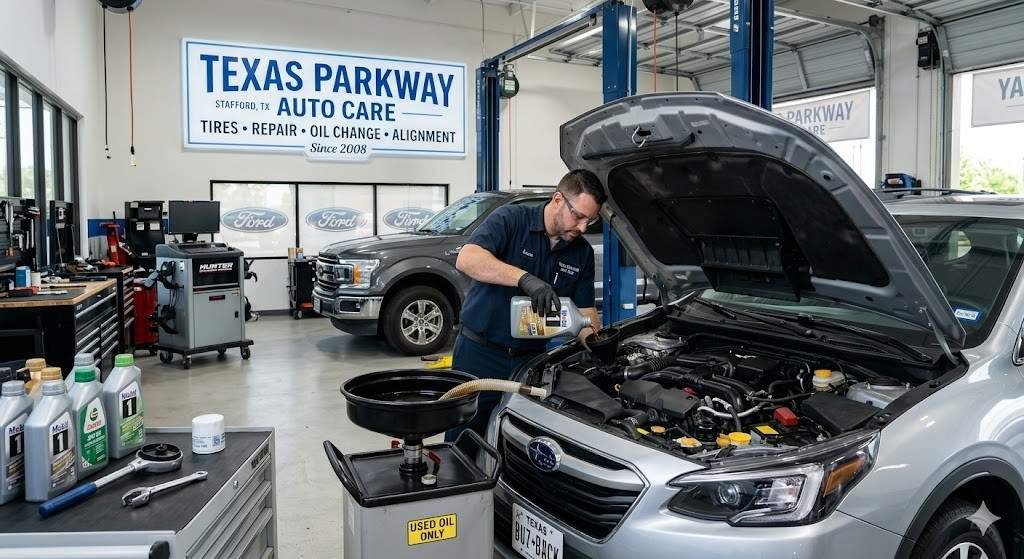
Why Professional Oil Change Matters
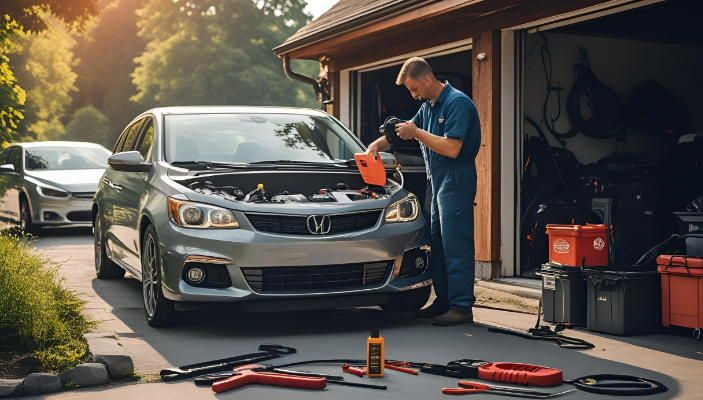
While DIY is possible, professional service ensures:
- Correct oil type
- Proper oil level
- Filter replacement
- Full inspection
👉 Visit our experts:
Texas Parkway Auto Care
Save Money with Regular Oil Changes
Regular oil changes help you:
✔ Avoid costly engine repairs
✔ Improve fuel efficiency
✔ Extend vehicle lifespan
✔ Drive smoothly
Don’t Wait Until It’s Too Late
If you haven’t changed your oil recently, now is the time.
👉 Book your service now:
+1 346 5549498
Book Your Oil Change Today
Your engine deserves proper care.
👉 Call now:
+1 346 5549498
Or visit our website:
👉 Texas Parkway Auto Care
Let our experts keep your engine running smoothly.
Final Thoughts
Knowing how often to change engine oil can save you from major engine problems.
Stay consistent, follow the right schedule, and act early when you notice warning signs.
Because a well-maintained engine means a reliable car.
![Common Brake Issues [Noise, Vibration, Safety Warning]](https://texasparkwayautocare.com/wp-content/uploads/2025/06/Common-Brake-Issues-Noise-Vibration-Safety-Warning.png)