Engine Overheating: Causes and Fixes | Stafford TX Car Repair
Engine overheating is a common issue that can cause serious damage if not addressed promptly. Understanding the causes of engine overheating and how to fix them is crucial for vehicle safety and performance. At Texas Parkway Auto Care in Stafford, TX, we provide professional engine diagnostics and repair services to keep your car running smoothly.
If you notice your temperature gauge rising, steam from under the hood, or warning lights on your dashboard, call us immediately at +1 346 5549498 or visit Texas Parkway Auto Care for expert service.
Why Engine Overheating Happens
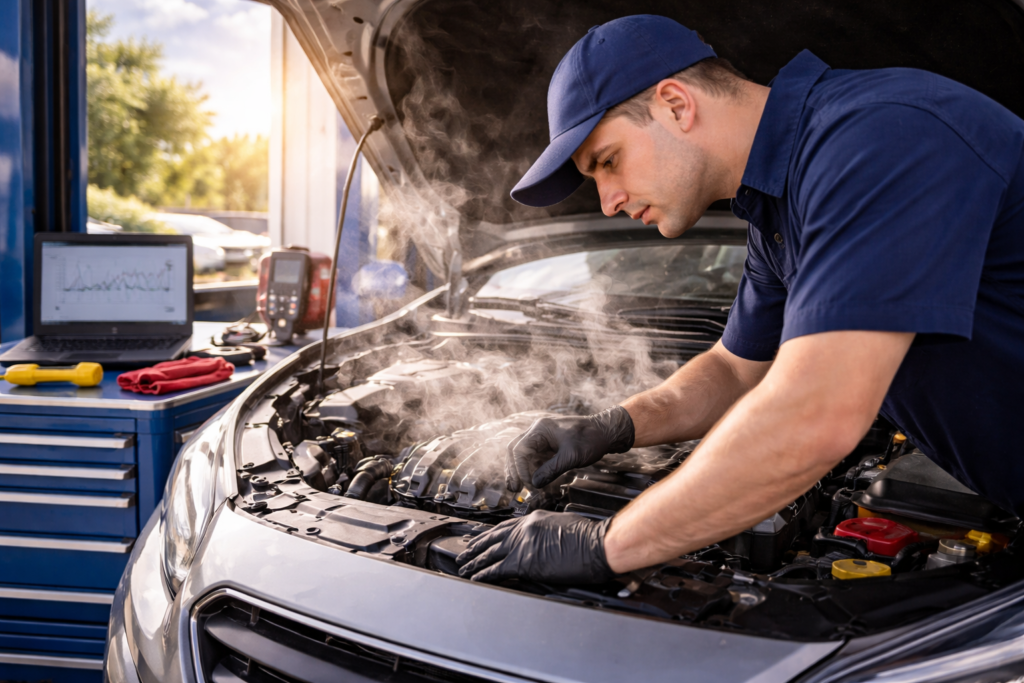
Engines generate a lot of heat during operation. The cooling system—consisting of the radiator, coolant, water pump, thermostat, and hoses—keeps the temperature under control. Overheating occurs when this system fails or when the engine is under excessive stress. Signs include:
- Temperature gauge in the red zone
- Steam or smoke from under the hood
- Burning smell
- Reduced engine performance or unusual noises
Common Causes of Engine Overheating
1. Low Coolant Levels
Coolant (antifreeze) is vital for dissipating engine heat. Low levels can be caused by leaks or evaporation. Check your coolant reservoir regularly and top it up as needed.
2. Faulty Thermostat
The thermostat regulates coolant flow. A stuck thermostat prevents coolant from circulating properly, leading to overheating.
3. Radiator Problems
Blocked, leaking, or damaged radiators reduce cooling efficiency. Regular inspection and cleaning prevent clogs and corrosion.
4. Broken Water Pump
The water pump circulates coolant throughout the engine. A failing pump can lead to uneven coolant flow, resulting in hot spots and overheating.
5. Cooling Fan Malfunction
Electric or belt-driven fans help dissipate heat when the car is idling or moving slowly. If the fan fails, the engine may overheat, especially in stop-and-go traffic or during hot Texas summers.
6. Engine Oil Issues
Engine oil lubricates moving parts and absorbs some heat. Old or low oil can increase friction and contribute to overheating.
Steps to Fix an Overheating Engine
1. Safely Stop the Vehicle
If your engine is overheating, pull over immediately. Turn off the air conditioner and turn on the heater to draw heat away from the engine.
2. Check Coolant and Oil Levels
After the engine cools, inspect coolant and oil levels. Refill if necessary and check for leaks.
3. Inspect for Leaks and Damaged Components
Look for damaged hoses, radiator leaks, or a broken water pump. These components often cause overheating and need professional repair.
4. Test the Thermostat
If coolant is low and the engine still overheats, the thermostat may be stuck. Replacing a faulty thermostat restores proper coolant flow.
5. Repair or Replace the Radiator and Fans
Clogged or damaged radiators should be cleaned or replaced. Ensure fans are operational to prevent heat buildup, especially in Texas heat.
6. Change Engine Oil
Old or low-quality oil can increase engine temperature. Regular oil changes help maintain optimal engine cooling and lubrication.
Preventive Tips to Avoid Engine Overheating
- Check coolant levels regularly
- Inspect hoses and belts for wear or leaks
- Schedule routine engine maintenance
- Use the correct oil and coolant for your vehicle
- Monitor temperature gauge while driving
- Avoid prolonged idling in extreme heat
Why Choose Texas Parkway Auto Care in Stafford TX
Our experienced technicians provide comprehensive engine maintenance and repair services, including:
- Engine diagnostics and overheating fixes
- Cooling system inspection and repair
- Radiator, thermostat, and water pump replacement
- Oil and fluid checks
- Preventive maintenance to avoid costly repairs
Call +1 346 5549498 or visit Texas Parkway Auto Care today to schedule your engine checkup and prevent overheating issues.
FAQs About Engine Overheating
Q: Can I drive with an overheating engine?
No, it’s dangerous. Stop immediately to prevent serious engine damage.
Q: How often should I check my coolant?
At least once a month, and before long trips, especially in hot climates like Texas.
Q: Can low oil cause overheating?
Yes, insufficient or old oil increases friction and heat inside the engine.
Q: How can I prevent overheating in summer?
Regular maintenance, checking coolant, and avoiding prolonged idling can help. Use the correct oil and coolant type recommended by the manufacturer.
Final Thoughts
Engine overheating can lead to costly repairs and unsafe driving conditions. By understanding the causes, performing regular maintenance, and addressing problems early, you can protect your vehicle and drive safely. Trust Texas Parkway Auto Care in Stafford TX for expert engine inspections and repairs. Call us today at +1 346 5549498 to schedule service.
![Common Brake Issues [Noise, Vibration, Safety Warning]](https://texasparkwayautocare.com/wp-content/uploads/2025/06/Common-Brake-Issues-Noise-Vibration-Safety-Warning.png)