Check Engine Light: What It Actually Means
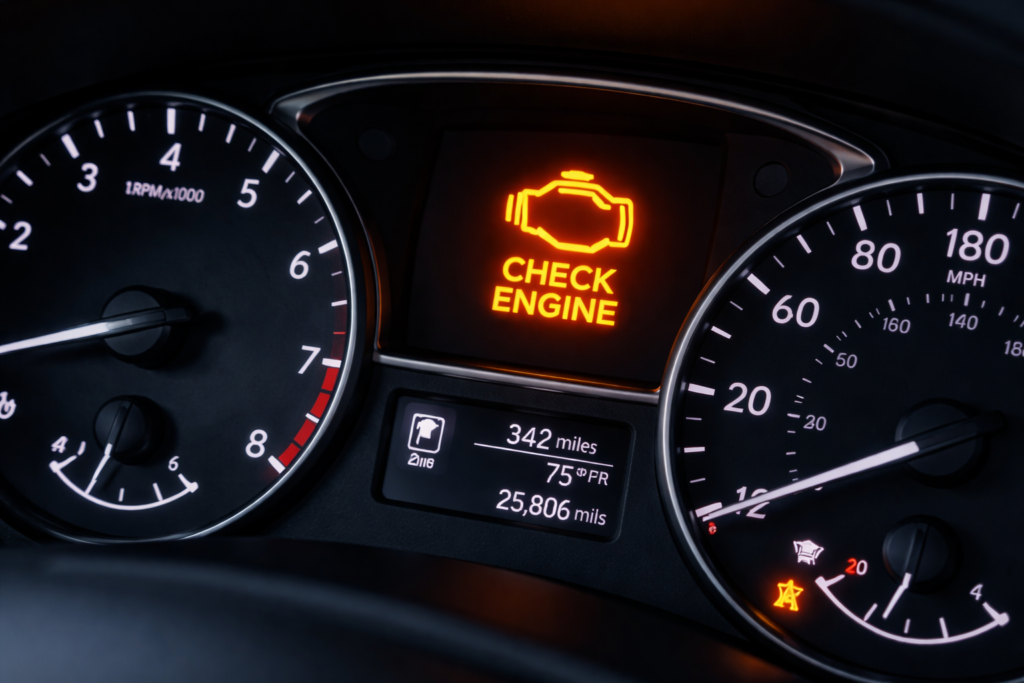
The check engine light is one of the most important warning indicators on your dashboard, yet it’s also one of the most misunderstood. When the check engine light turns on, many drivers feel confused or even ignore it, assuming it’s not serious. However, understanding what the check engine light actually means can help you prevent major repairs and keep your vehicle running smoothly.
At Texas Parkway Auto Care in Stafford, TX, we specialize in diagnosing and fixing check engine light issues. Call us today at +1 346 5549498 or visit Texas Parkway Auto Care for expert service.
What Is the Check Engine Light?
The check engine light is part of your vehicle’s onboard diagnostics system (OBD-II). This system continuously monitors your engine, fuel system, emissions, and other critical components. When it detects a problem, it triggers the check engine light to alert you.
The purpose of the check engine light is simple: to warn you early before a minor issue becomes a major and expensive repair. Ignoring it can lead to decreased performance, higher fuel consumption, and potential engine damage.
Common Reasons the Check Engine Light Turns On
1. Loose or Damaged Gas Cap
A loose or cracked gas cap is one of the most common reasons for the check engine light. It allows fuel vapors to escape, which affects the emissions system and triggers the warning light. Fortunately, this is an easy fix—simply tighten or replace the cap.
2. Oxygen Sensor Failure
The oxygen sensor measures the amount of oxygen in your exhaust gases and helps regulate the air-fuel mixture. A faulty sensor can reduce fuel efficiency and increase emissions, making it important to address quickly.
3. Worn Spark Plugs or Ignition Coils
Spark plugs ignite the air-fuel mixture in your engine. When they wear out, your engine may misfire, run rough, or lose power. Ignition coil problems can cause similar issues and often trigger the check engine light.
4. Catalytic Converter Problems
The catalytic converter reduces harmful emissions from your vehicle. If it fails, your car may experience poor acceleration, increased fuel consumption, and higher emissions levels. This is a more serious issue that requires immediate attention.
5. Mass Airflow Sensor Issues
The mass airflow sensor determines how much air enters the engine. A malfunctioning sensor can disrupt engine performance and lead to stalling or poor fuel economy.
6. Battery or Charging System Problems
Sometimes the check engine light can be triggered by electrical issues such as a weak battery or a failing alternator. These problems can affect your vehicle’s overall performance.
Flashing vs. Solid Check Engine Light
Solid Check Engine Light: A steady light usually indicates a non-urgent issue. While your car may still be drivable, you should schedule a diagnostic check soon.
Flashing Check Engine Light: A flashing light is a serious warning, often indicating an engine misfire. This can damage your catalytic converter and other components. You should stop driving immediately and seek professional help.
What Should You Do When the Check Engine Light Comes On?
If your check engine light comes on, follow these steps:
- Check and tighten your gas cap
- Pay attention to unusual noises or vibrations
- Avoid aggressive driving
- Schedule a professional diagnostic test
Taking quick action can prevent further damage and reduce repair costs.
Why Ignoring the Check Engine Light Is Risky
Ignoring the check engine light can lead to serious consequences over time. What may start as a small issue can develop into a major problem if left untreated.
- Reduced fuel efficiency
- Higher emissions
- Engine performance issues
- Expensive repairs
- Unexpected breakdowns
Addressing the issue early is always the safest and most cost-effective approach.
How Car Diagnostics Work
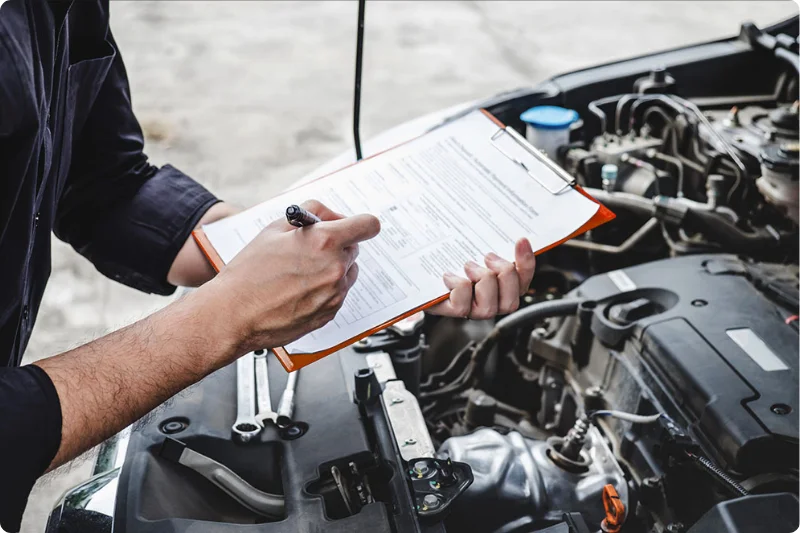
When the check engine light turns on, your vehicle stores a diagnostic trouble code (DTC). Technicians use specialized diagnostic tools to read these codes and identify the exact issue.
This process allows mechanics to pinpoint the problem quickly and recommend the appropriate repair, saving you time and money.
Professional Check Engine Light Services in Stafford TX
At Texas Parkway Auto Care, we provide comprehensive diagnostic and repair services, including:
- Advanced engine diagnostics
- Accurate fault detection
- Efficient repairs
- Preventive maintenance recommendations
Our experienced team ensures your vehicle remains reliable and safe on the road.
Preventing Check Engine Light Issues
While not all problems can be avoided, regular maintenance can significantly reduce the chances of your check engine light turning on:
- Follow your vehicle’s maintenance schedule
- Replace spark plugs and filters on time
- Use high-quality fuel
- Check your battery and charging system regularly
- Address minor issues before they worsen
FAQs About the Check Engine Light
Q: Can I drive with the check engine light on?
Yes, if the light is solid and there are no noticeable performance issues. However, you should get it checked soon.
Q: What does a flashing check engine light mean?
It indicates a serious issue, such as an engine misfire, and requires immediate attention.
Q: Will the check engine light turn off on its own?
Sometimes it may turn off if the issue resolves itself, but the problem may still exist and should be checked.
Q: Is it expensive to fix?
Costs vary depending on the issue. Some fixes are simple and inexpensive, while others may require major repairs.
Q: Can I check the problem myself?
You can use a basic OBD-II scanner, but professional diagnostics provide more accurate results.
Final Thoughts
The check engine light is your vehicle’s early warning system. Ignoring it can lead to costly repairs and safety issues, while addressing it promptly ensures your car stays in top condition.
If your check engine light is on, don’t wait. Contact Texas Parkway Auto Care in Stafford TX at +1 346 5549498 for expert diagnostics and reliable repairs today.
![Common Brake Issues [Noise, Vibration, Safety Warning]](https://texasparkwayautocare.com/wp-content/uploads/2025/06/Common-Brake-Issues-Noise-Vibration-Safety-Warning.png)